When Fresh Paint Is Actually a Red Flag: Reading the Hidden Language of Your Walls
There's something universally satisfying about a freshly painted room. The smell, the clean lines, the way everything just looks fixed. But here's the thing nobody tells you at the open house or during a home walkthrough: paint is one of the cheapest, easiest ways to make a serious problem disappear — at least temporarily.
If you've ever bought a house or hired a contractor, you've probably heard the phrase "fresh coat of paint" used like it's a cure-all. And sometimes it is! Paint is a totally legitimate way to refresh a space. But other times, it's a Band-Aid slapped over something that really needs a surgeon. Knowing the difference can save you thousands of dollars and a whole lot of headaches.
Why Paint Is the Go-To Cover-Up Tool
Let's be honest about human nature for a second. When it comes time to sell a home or rent out a space, the goal is to make things look good fast. Paint is cheap, it dries quickly, and it transforms a room in a single weekend. Nobody's judging that instinct — it makes financial sense on the surface.
The problem is that paint doesn't fix anything. It conceals. And when someone uses it to hide a water stain, a mold patch, or a stress crack in the drywall, they're essentially putting a costume on a problem and hoping you won't look too closely.
This isn't always intentional deception, either. Some homeowners genuinely don't know that the yellowish stain they painted over is a sign of an active roof leak. Others figure the problem is "old" and therefore resolved. Either way, you're the one who ends up living with the consequences.
The Stain Patterns That Should Stop You in Your Tracks
Not all discoloration is created equal. Here's a quick rundown of what you're actually looking at when you spot certain patterns on walls or ceilings:
Yellow or brown rings on ceilings: This classic bullseye pattern almost always means water has pooled in one spot repeatedly. If it's been painted over, run your fingers along the edges — old water damage often leaves a slightly raised or textured ridge even under fresh paint. If the center feels soft or spongy, that's a major red flag.
Dark spots or fuzzy patches near baseboards: Mold loves to grow low, especially along exterior walls where condensation is more likely. A quick repaint can make these spots invisible, but they'll return — and faster than you'd think. Check for a musty smell in the room, which paint definitely cannot cover.
Horizontal streaks or tide-line patterns in basements: These are classic signs of water intrusion. Water seeps in at a consistent level and leaves a mineral deposit line as it evaporates. If you see a freshly painted basement wall with suspiciously uniform color and no visible texture variation, that's worth a closer look.
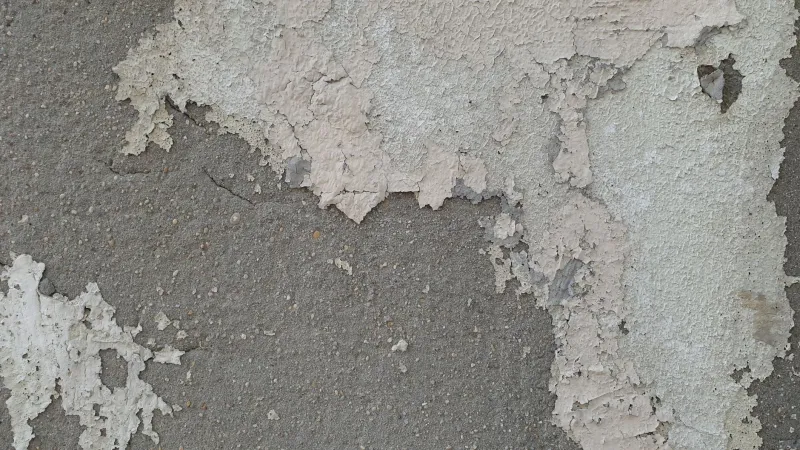
Bubbling, peeling, or blistering paint: Even if a fresh coat has been applied on top, you can sometimes feel or see the ghost of previous bubbling underneath. This happens when moisture is pushing through from behind the wall — which means the source of that moisture is still active.
Cracks That Paint Can't Actually Hide
Structural cracks are another area where paint gets used as a quick fix. Not every crack is a catastrophe — hairline cracks from normal settling are common and mostly harmless. But some crack patterns are your home trying to tell you something important.
Look for:
- Diagonal cracks running from the corners of windows or doors: These can indicate foundation movement or significant structural settling that goes beyond cosmetic.
- Stair-step cracks in brick or block walls: A telltale sign of differential settling, which means different parts of the foundation are moving at different rates.
- Cracks that are wider at one end than the other: The tapered shape suggests ongoing movement, not a historic crack that's long since stabilized.
When these get painted over, the crack often reappears through the new paint within months — sometimes weeks. If you're touring a home and notice a crack that looks freshly filled and painted, ask when it was repaired and whether a structural engineer was involved.
The Electrical and Plumbing Problems Paint Won't Fix
Here's where things get genuinely dangerous. Discoloration around electrical outlets or switch plates — especially yellowish or brownish staining — can indicate heat buildup from a failing connection or overloaded circuit. If someone has painted right over the outlet plate and the surrounding wall without investigating, that problem is still cooking (sometimes literally).
Similarly, walls adjacent to plumbing runs can show staining from slow pipe leaks. A wall that's been freshly painted but feels slightly soft when you press on it, or sounds hollow in a way that doesn't match the rest of the room, may be hiding drywall that's been compromised by water damage.
In both cases, the fix isn't paint — it's a licensed electrician or plumber diagnosing the actual source.
How to Do Your Own Wall Audit
You don't need to be a home inspector to do a basic visual and tactile check of your walls. Here's a simple process:
- Use a flashlight at an angle. Raking light across a wall surface reveals texture variations, patched areas, and uneven surfaces that straight-on lighting completely hides.
- Press gently along baseboards and around windows. Soft or spongy drywall is a moisture indicator, even under fresh paint.
- Smell the room. Musty or earthy odors that don't go away with ventilation suggest mold, regardless of how freshly painted the walls are.
- Check for paint sheen inconsistencies. When someone paints over a specific problem area, the sheen often doesn't quite match the rest of the wall — especially under different lighting conditions.
- Look at the trim and caulking. Fresh paint on walls paired with old, cracked caulk around windows or fixtures suggests selective cosmetic work, not a full renovation.
When Paint Is Totally Fine (And When to Call a Pro)
To be clear: painting over minor scuffs, old color choices, or general wear is completely normal and appropriate. If your walls look great, feel solid, smell fine, and have no suspicious patterns, a fresh paint job is just a fresh paint job.
But if you're seeing any of the warning signs above — especially in combination — it's worth bringing in a professional before assuming everything's fine. A home inspector, a moisture specialist, or even a general contractor can do a more thorough assessment and tell you whether what you're looking at is cosmetic or something that needs real attention.
At the end of the day, your walls aren't just decoration. They're part of the living, breathing system that keeps your home standing and your family safe. Learning to read what they're actually saying — not just what the paint is telling you — is one of the most valuable skills you can develop as a homeowner.