What Skipping Home Repairs Actually Costs You: The Ugly Truth, Year by Year
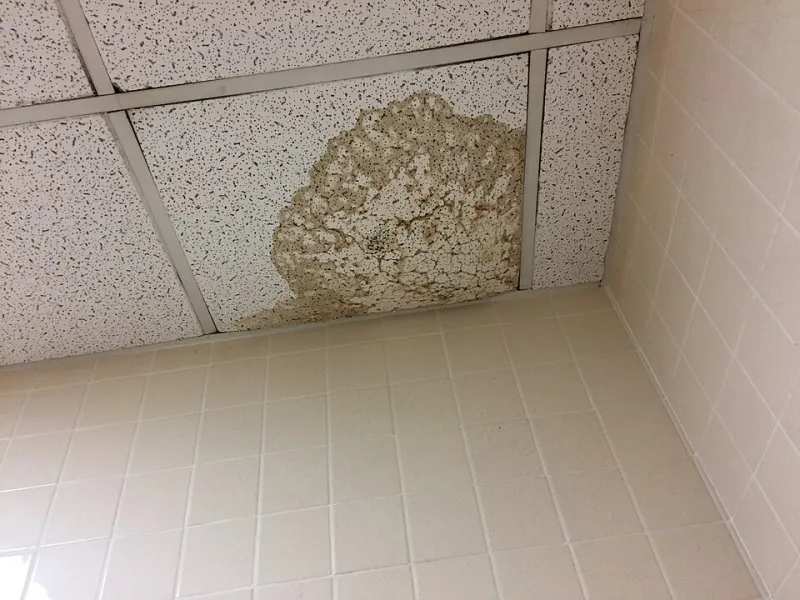
Photo: Atomicdragon136, CC BY 3.0, via Wikimedia Commons
Let's be honest. Life gets busy, budgets get tight, and that dripping faucet or slightly soft spot on the deck just doesn't feel urgent enough to deal with right now. You tell yourself you'll get to it next month. Then next spring. Then... maybe after the holidays.
Sound familiar? You're not alone. According to the Harvard Joint Center for Housing Studies, American homeowners collectively defer billions of dollars in home maintenance every single year. And while putting off a repair might feel like a money-saving move in the short term, the math almost always tells a very different story.
Here's what actually happens to your home—and your wallet—when small problems are left to fester.
The Compound Effect: How Small Problems Get Expensive Fast
Home repairs don't age gracefully. Unlike a fine wine, a neglected maintenance issue doesn't improve with time—it multiplies. Contractors often use the phrase "cascade damage" to describe how one deferred repair triggers a chain reaction of secondary problems.
Take a roof leak as a classic example. A minor flashing issue or a few missing shingles might cost $300–$600 to fix in year one. Leave it alone for two to three years, and you're looking at water-damaged sheathing, compromised insulation, and the early stages of mold growth—pushing that bill closer to $3,000–$8,000. Give it another couple of years, and you may be facing structural rot in the rafters, ceiling drywall replacement, and a full remediation job that can easily exceed $15,000 to $25,000.
That's a 40x cost increase. For something that started as a $400 fix.
A Real-World Scenario: The Henderson Family's HVAC Nightmare
Consider a homeowner in the Atlanta metro area—let's call her Dana. Dana's HVAC system started making a subtle rattling noise back in 2020. A technician quoted her $180 for a capacitor replacement and recommended a $120 annual tune-up going forward. She passed on both.
By summer 2022, the system was struggling to cool her home efficiently. Her electricity bills had crept up by roughly $40–$60 per month—around $600 extra per year she didn't connect to the HVAC issue. When the unit finally failed in the middle of a July heat wave in 2023, she needed a full system replacement: $7,400 installed.
Total cost of deferral over three years: roughly $9,000 when you factor in the elevated utility bills. Had she kept up with maintenance, she likely would have extended that unit's life another five to seven years.
"I see this constantly," says Marcus Webb, a licensed HVAC technician with over 20 years of experience in the Southeast. "Homeowners think skipping a $150 tune-up is saving money. But a well-maintained system runs 15–20% more efficiently and lasts years longer. The math isn't even close."
Year-by-Year Cost Breakdown: Common Repairs Gone Wrong
Plumbing Leaks
- Year 1: Slow drip under sink or toilet seal failure — $75–$200 to fix
- Year 2–3: Water damage to cabinet flooring, subfloor softening — $500–$2,000
- Year 4–5: Subfloor replacement, potential mold remediation — $4,000–$12,000
Gutter Neglect
- Year 1: Clogged gutters — $100–$250 to clean
- Year 2–3: Fascia board rot, water pooling near foundation — $800–$2,500
- Year 4+: Foundation seepage, basement flooding, landscaping erosion — $5,000–$30,000+
Deck or Exterior Wood Rot
- Year 1: Small soft spot, surface cracking — $200–$400 to treat and seal
- Year 2–3: Structural board replacement — $1,200–$3,500
- Year 4–5: Full deck rebuild, potential ledger damage to house framing — $8,000–$20,000
Cracked Driveway or Walkway
- Year 1: Hairline cracks — $50–$150 to seal
- Year 2–3: Widening cracks, frost heave damage in northern climates — $500–$1,500
- Year 4+: Full driveway replacement — $4,000–$10,000
The "I'll Do It Myself" Trap
DIY repairs can absolutely save money—when done correctly and promptly. But there's a particular danger zone that many homeowners fall into: intending to DIY a repair, never quite getting around to it, and watching the problem grow beyond DIY territory.
If you're going to handle something yourself, put a hard deadline on it. Two weeks. If it's not done, call a pro. The longer you wait, the more likely a simple DIY fix becomes a complex professional job you can't tackle on your own anyway.
A Simple Way to Estimate Your Deferral Cost
Here's a rough mental formula contractors and home inspectors often use:
For every year a moderate repair is deferred, assume the total cost increases by 3x to 10x, depending on exposure to moisture, structural involvement, and climate.
If you live in a humid climate like Florida, Louisiana, or the Pacific Northwest, moisture-related repairs compound even faster. In freeze-thaw climates like the Midwest and Northeast, foundation and masonry issues escalate quickly once water infiltration begins.
Preventative Maintenance: What It Actually Costs vs. What It Saves
A standard annual home maintenance checklist—HVAC tune-up, gutter cleaning, roof inspection, caulking and weatherstripping refresh, pest inspection—typically runs $600–$1,200 per year for a mid-sized single-family home, depending on your region.
The average cost of a single major deferred repair event? According to data from HomeAdvisor and Angi, it ranges from $3,500 to $15,000. Do that math once and preventative maintenance starts looking like the deal of the century.
Many contractors offer annual maintenance plans or bundled service agreements that can bring those costs down further. It's worth asking.
The Bottom Line
We get it—home repairs are never a fun way to spend money. But the uncomfortable truth is that your house is constantly in a slow battle against time, weather, and wear. Ignoring that reality doesn't pause the damage; it just means you're not watching while it happens.
The good news? Most of the worst-case scenarios in this article are entirely preventable. Catching problems early, scheduling routine maintenance, and acting quickly when something looks off are the three habits that separate homeowners who stay ahead of their homes from those who eventually get buried by them.
Your home is likely your biggest financial asset. Treat it like one.