Water Always Wins: What Poor Drainage Is Doing to Your Foundation (and Your Home's Value)

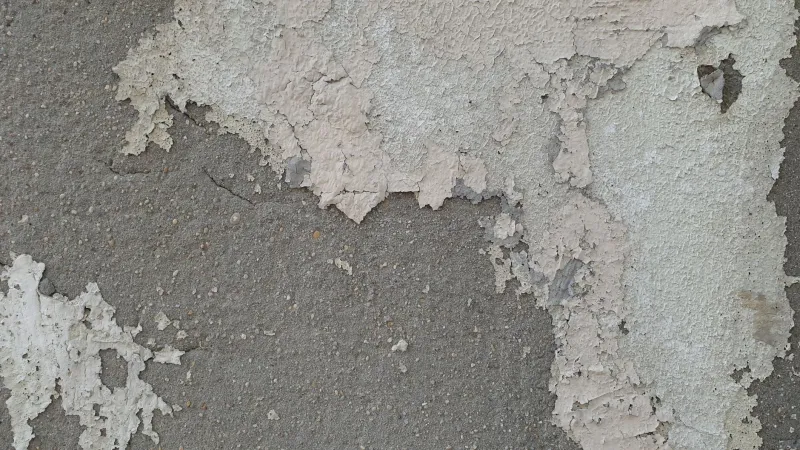
Photo by Photo by Dana Ward on Unsplash on Unsplash
Here's something nobody tells you when you buy a house: water is patient. It doesn't rush. It doesn't announce itself. It just finds the lowest point, the weakest joint, the tiniest gap — and it keeps going. Over months and years, that quiet persistence can turn a small drainage problem into a five-figure repair bill.
Poor drainage around your foundation is one of the most underestimated threats to a home's structural health and long-term value. It doesn't look dramatic. There's no smoke, no sparks, no obvious collapse. It just slowly, silently does its work — and by the time most homeowners notice, the damage is already deep.
Let's talk about what's actually happening, how to spot it, and what you can do before water gets the upper hand.
Why Drainage Around Your Foundation Actually Matters
Your foundation is designed to bear weight — not to sit in water. When the soil around your home's perimeter stays saturated for extended periods, it puts lateral pressure on foundation walls. Over time, that pressure causes walls to bow, crack, and shift. Water also seeps through porous concrete and masonry, carrying minerals that break down the material from the inside out.
But it doesn't stop at the foundation. Once moisture finds its way in, it moves upward. It shows up as efflorescence (those chalky white streaks on basement walls), as musty smells, as warped wood framing, and eventually as mold — which brings its own set of health and financial headaches.
The kicker? None of this shows up on your monthly utility bill. There's no alert, no warning light. You just wake up one day to a wet basement or a door that won't close right, and suddenly you're calling contractors for quotes that start with a comma.
The Usual Suspects: Where Drainage Problems Start
Before you can fix a drainage problem, you have to know where it's coming from. Most issues trace back to one of three places:
Improper grading. The ground around your home should slope away from the foundation — ideally dropping about six inches over the first ten feet. If your yard has settled over the years and now slopes toward the house, you've essentially built a funnel that directs every rainstorm straight at your foundation. This is extremely common in older homes and even some newer ones where the landscaping has shifted.
Gutters and downspouts doing nothing useful. A properly functioning gutter system is your first line of defense against water accumulation. But clogged gutters overflow and dump water right at the base of your home. Downspouts that terminate too close to the foundation — or worse, that drain directly against it — are just as bad. The water has nowhere to go except down, into the soil, and toward your house.
Hardscaping that traps water. Patios, driveways, and walkways that sit flush against your home or that slope inward can create pooling zones right where you don't want them. Even well-intentioned landscaping like flower beds with raised borders can trap water against the foundation if they're not designed with drainage in mind.
How to Read the Warning Signs
You don't need to be a contractor to spot early drainage problems. Walk around your home after a heavy rain and look for these red flags:
- Puddles that linger near the foundation for more than a few hours after rain stops
- Soil that's consistently damp or soft along the perimeter of your house
- Downspout discharge pooling within a few feet of the home
- Staining or discoloration on foundation walls or basement floors
- Cracks running horizontally along basement or crawl space walls (these are particularly serious — vertical cracks can be normal settling, but horizontal ones often signal lateral water pressure)
- Musty odors in the basement that get worse after rain
- Efflorescence — those white, chalky mineral deposits on concrete or block walls
Any one of these signs is worth taking seriously. Multiple signs together mean you've got an active problem that needs attention now, not next spring.
Quick Fixes You Can Do This Weekend
Not every drainage fix requires a contractor and a big check. Some of the most effective interventions are surprisingly manageable for a motivated homeowner.
Clean and extend your downspouts. This is genuinely one of the highest-ROI maintenance tasks you can do. Make sure gutters are clear and that downspout extensions carry water at least four to six feet away from the foundation. Flexible plastic extensions are cheap and widely available at any home improvement store.
Regrade problem areas. If you have spots where soil has settled toward the house, adding topsoil and regrading to restore that outward slope can make a significant difference. This is a DIY-friendly project in most cases — just avoid burying any wood siding or other vulnerable materials.
Redirect patio and hardscape drainage. If a patio or walkway slopes toward your home, adding a simple channel drain or reconfiguring the surface grade can redirect water away before it reaches the foundation.
Plant strategically. Deep-rooted plants and shrubs positioned a few feet from the foundation can help absorb excess moisture. Just be careful not to place plants so close that their root systems eventually interfere with the foundation itself.
When You Need to Call in the Pros
Some drainage problems go beyond weekend-warrior territory. If you're seeing horizontal foundation cracks, significant bowing in basement walls, or recurring flooding despite surface-level fixes, it's time to bring in a professional.
A few solutions that typically require expert installation:
- French drains: Perforated pipes buried in gravel-filled trenches that redirect groundwater away from the foundation. Highly effective for chronic moisture problems.
- Interior drain tile systems: Installed along the perimeter of the basement floor, these systems collect water that does make it through the foundation and route it to a sump pump. A good solution when exterior work isn't practical.
- Sump pump installation or upgrade: If you don't have one, you probably need one. If you have one, make sure it's working and consider a battery backup — the times you need it most are usually during power outages.
- Waterproofing membranes: Applied to the exterior of foundation walls, these create a barrier that stops water penetration at the source.
Get multiple quotes and ask specifically about long-term warranties. Reputable waterproofing contractors typically back their work with guarantees that transfer to new owners — which matters a lot when it comes time to sell.
The Real Cost of Doing Nothing
Here's the part that should get your attention: foundation and water damage repairs are among the most expensive fixes a homeowner can face. Depending on severity, you're looking at anywhere from a few thousand dollars for minor crack repair to $30,000 or more for serious structural remediation or full basement waterproofing.
And that's before you factor in the impact on your home's value. Real estate appraisers and buyers take water damage and drainage issues seriously. Disclosure requirements in most states mean you can't just paint over the problem — if you know about it, you have to report it. Homes with known drainage or foundation issues sit on the market longer and sell for less.
Contrast that with the cost of cleaning your gutters twice a year, extending a downspout, or regrading a trouble spot. The math isn't even close.
Make Drainage Part of Your Regular Routine
The homeowners who avoid these problems aren't lucky — they're attentive. They walk their property after big storms. They keep gutters clear. They notice when something looks off and deal with it before it escalates.
Building a quick drainage check into your seasonal home maintenance routine is one of the smartest habits you can develop. Spring and fall are ideal times to assess how water is moving around your home, clear any debris from gutters and downspouts, and look for new settling or grading issues.
Water is patient. But so can you be — if you're paying attention.