Drip by Drip: How to Hunt Down Hidden Water Leaks Before They Wreck Your Home
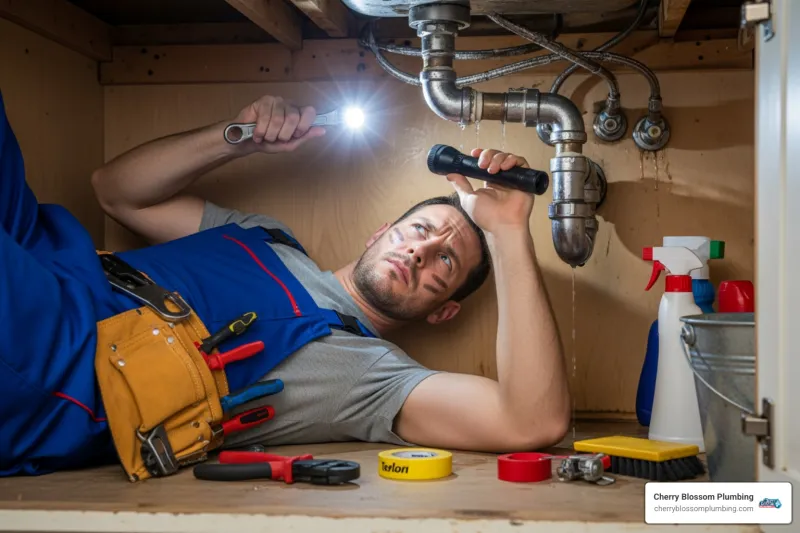
Photo: plumber inspecting pipes under kitchen sink with flashlight, via cdn.prod.website-files.com
You check your water bill and something looks off. It's crept up $30, then $50, then suddenly you're paying nearly double what you were six months ago—and nothing's changed about your household routine. Sound familiar? You might be dealing with a hidden water leak, and trust us, you're not alone.
According to the EPA, household leaks waste nearly 1 trillion gallons of water nationwide every year. The average American home loses about 10,000 gallons to leaks annually—enough to fill a backyard swimming pool. That's not just an environmental issue. That's money circling the drain, sometimes literally.
The good news? Most leaks are findable. And many are fixable without calling a plumber. Let's walk through where to look, what to do, and how much you stand to save.
Why Early Detection Is a Big Deal
A slow drip under a sink might seem harmless. But give it six months and you're looking at rotted cabinetry, mold growth, and a subfloor that needs replacing. What started as a $10 washer replacement can balloon into a $3,000–$8,000 renovation if ignored long enough.
Wall leaks are even sneakier. By the time you see a stain on the drywall, moisture has already been sitting behind it—potentially for weeks. That's prime territory for mold, which brings its own health concerns and remediation costs that can easily run $2,000–$6,000 depending on the extent.
The math is pretty simple: catching a leak early almost always costs less than catching it late.
Start With Your Water Meter
Before you start poking around under sinks, do this first. It takes about 15 minutes and can immediately confirm whether you have a leak somewhere in your home.
Here's how:
- Turn off every water-using appliance and fixture in the house—dishwasher, washing machine, ice maker, all of it.
- Head out to your water meter (usually near the street or at the edge of your property) and note the reading.
- Don't use any water for at least one hour. Two hours is even better.
- Check the meter again. If the numbers moved, water is flowing somewhere it shouldn't be.
Some meters also have a small leak indicator—a tiny triangle or dial that spins even when there's minimal flow. If that's spinning while everything is off, you've got your answer.
The Running Toilet: Quiet, Costly, and Incredibly Common
Running toilets are responsible for a huge chunk of household water waste, and the frustrating part is that you often can't hear them. A toilet that runs silently can waste anywhere from 20 to 200 gallons per day—that's up to $70 extra on your monthly bill.
The dye test is your best friend here:
- Drop a few food coloring drops (or a dye tablet from a hardware store) into the toilet tank.
- Wait 10–15 minutes without flushing.
- If color appears in the bowl, your flapper valve is leaking.
A replacement flapper costs about $5–$10 and takes under 20 minutes to swap out. It's one of the best returns on time you'll find in home maintenance.
Under Sinks, Behind Appliances, and Around Fixtures
Grab a flashlight and do a hands-on inspection of these areas at least twice a year:
Kitchen and bathrooms:
- Check under every sink for moisture, water stains, or warped cabinet floors.
- Look at the supply lines connecting to your faucets and toilets—these braided hoses can develop hairline cracks over time.
- Feel around the base of your toilets. Any give or soft flooring? That could mean a wax ring failure.
- Inspect caulk around tubs, showers, and sinks. Cracked or missing caulk lets water sneak into the wall cavity.
Appliances:
- Pull your refrigerator out and check the water line connection if you have an ice maker or water dispenser.
- Inspect your washing machine hoses—these are a surprisingly common source of sudden, catastrophic leaks. If they're more than five years old, consider replacing them with braided steel versions.
- Check around your water heater for rust, pooling water, or corrosion at the connections.
Don't Forget the Outdoors
Outdoor leaks get overlooked because we're not inside watching them. But a leaking hose bib or irrigation line can run up your bill just as fast as anything indoors.
- Turn on your outdoor spigots and check for drips at the connection point.
- If you have an in-ground irrigation system, walk the zones while they're running and look for pooling water, unusually soggy patches, or sprinkler heads that seem to spray unevenly.
- Check your crawl space or basement after heavy rain. Persistent moisture near the foundation wall can indicate grading issues or a crack that's letting water in.
Reading the Warning Signs in Your Walls and Ceilings
You don't always need to see the pipe to know something's wrong. Keep an eye out for:
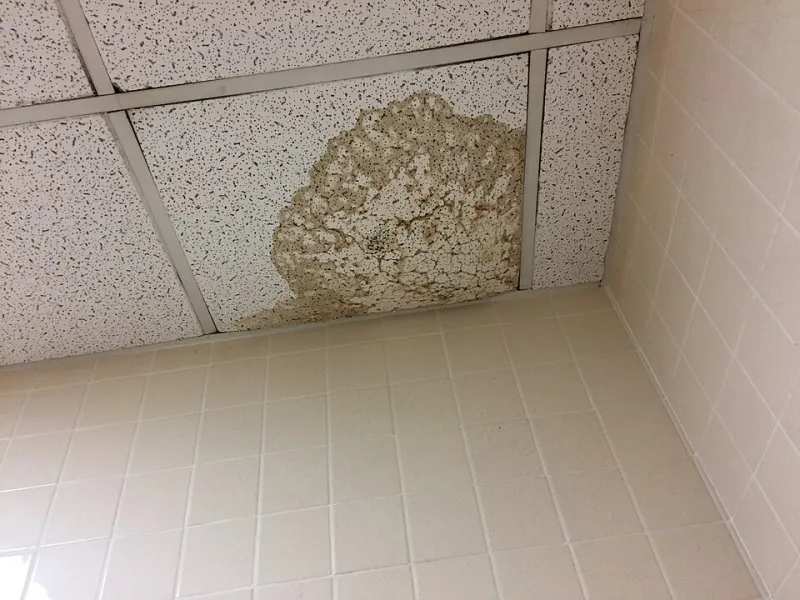
- Yellowish or brownish water stains on ceilings or walls
- Paint that's bubbling, peeling, or blistering
- A musty smell in closets, bathrooms, or utility areas
- Floors that feel spongy or soft underfoot near plumbing fixtures
- Unexplained spikes in your water bill with no change in usage habits
Any one of these is worth investigating. Multiple signs at once? Don't wait.
Your DIY Leak Inspection Checklist
Here's a quick-reference list you can use on your next walkthrough:
- Meter test completed (no usage for 1+ hour)
- Toilet dye test done in every bathroom
- Under-sink cabinets inspected in kitchen and all bathrooms
- Supply lines and shut-off valves checked for moisture
- Caulk around tubs, showers, and sinks examined
- Washing machine hoses inspected
- Refrigerator water line checked
- Water heater area inspected for rust or pooling
- Outdoor hose bibs tested
- Irrigation system walked during a run cycle
- Walls and ceilings scanned for staining or bubbling
- Crawl space or basement checked for moisture intrusion
When to Stop DIYing and Call a Plumber
Not every leak is a weekend project. Here's when it's time to bring in a licensed plumber:
- You've done the meter test and confirmed a leak, but can't locate it anywhere visible
- There are signs of water damage inside walls or under floors
- You notice a sudden, significant pressure drop throughout the house
- Your water heater is leaking from the tank itself (not just a connection)
- You suspect a slab leak—these happen when pipes beneath your home's concrete foundation develop a break and are serious business
A professional leak detection service uses acoustic equipment, thermal imaging, and pressure testing to find leaks without tearing your walls apart. Expect to pay $150–$400 for a professional leak detection inspection, which is a bargain compared to the damage bill if a hidden leak goes unaddressed.
A Little Time Now Saves a Lot of Money Later
Running through a leak inspection doesn't take long—a couple of hours twice a year is really all it takes. When you consider that catching a single slow leak early can save you thousands in repairs and months of inflated water bills, it's one of the most cost-effective things you can do as a homeowner.
So next time your water bill looks a little suspicious, don't just shrug it off. Grab a flashlight, drop some food coloring in the toilet tank, and start looking. Your home—and your wallet—will thank you.