Hidden, Humid, and Deadly: What Happens When Your Home Can't Breathe
Your house looks fine from the outside. The roof's intact, the siding's clean, and nothing seems obviously wrong. But somewhere behind a wall, above a ceiling, or beneath your floors, moisture is quietly doing what moisture always does — finding a way to ruin everything.
Poor ventilation is one of those home problems that doesn't announce itself. It doesn't drip. It doesn't crack. It doesn't make noise. It just accumulates, day after day, season after season, until the damage is significant enough that you can't ignore it anymore. By that point, you're usually looking at a repair bill that could've been avoided with some basic awareness and a few inexpensive fixes.
Let's break down what's actually happening inside your home when the air can't move the way it should.
Why Moisture Is the Real Enemy
Ventilation isn't just about keeping rooms from smelling stuffy. Its main job is moisture management. When warm, humid air gets trapped in an enclosed space — say, your attic in summer or your crawl space after a rainy week — it has nowhere to go. That moisture settles on wood framing, insulation, and sheathing. Over time, it creates the exact conditions that mold and wood-rotting fungi need to thrive.
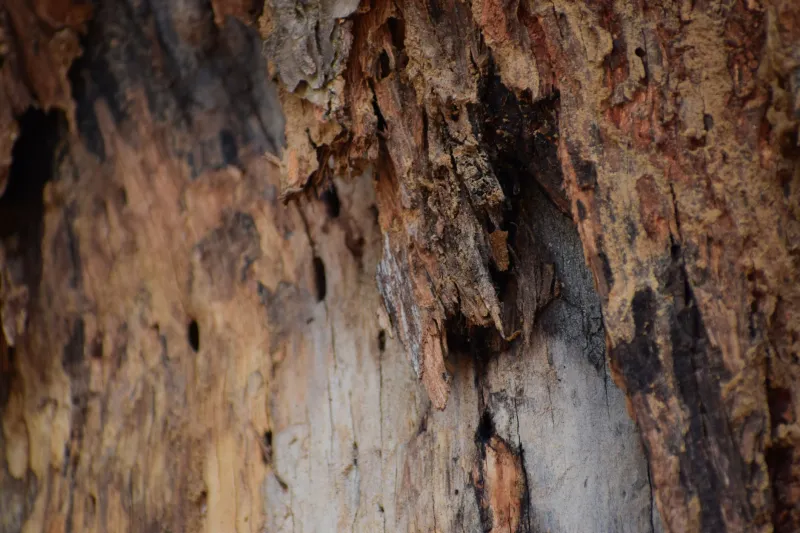
Here's the science in plain terms: wood starts to deteriorate when its moisture content consistently exceeds about 19 percent. You don't need flooding for that to happen. Everyday humidity, cooking steam, shower vapor, and even the ground beneath your home release enough moisture to push wood well past that threshold if the air around it is stagnant.
Once wood rot sets in, it doesn't stop on its own. And mold? It spreads faster than most homeowners realize, often traveling through wall cavities and insulation before it ever becomes visible.
The Three Danger Zones in Most American Homes
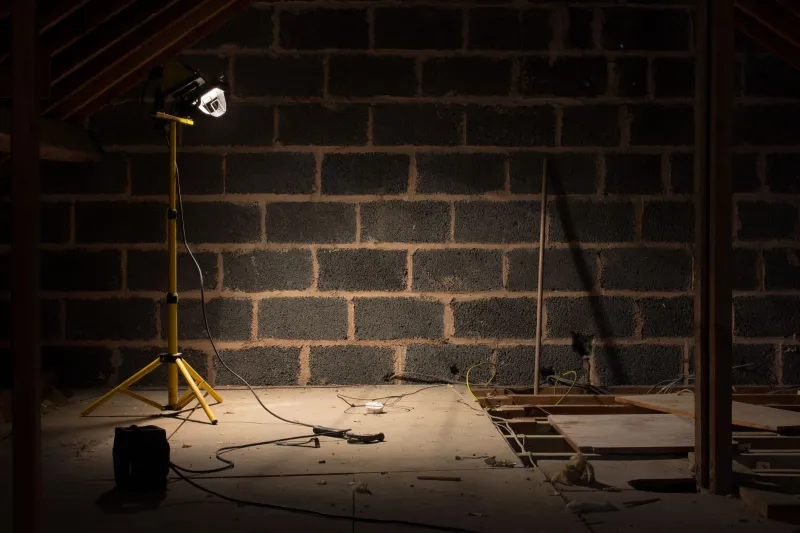
Attics are probably the most common site of ventilation failure. A properly ventilated attic uses a combination of soffit vents (at the eaves) and ridge or gable vents (near the peak) to create a continuous airflow that flushes out heat and moisture. When those vents are blocked — by insulation pushed too far toward the edges, by debris, by birds nesting in the openings — that airflow stops. In winter, this leads to ice dams along the roofline. In summer, attic temps can climb above 150°F, degrading roofing materials from the inside out. Year-round, trapped moisture attacks the roof deck and rafters.
Crawl spaces are the forgotten underbelly of millions of American homes, particularly in the South and Southeast where pier-and-beam construction is common. An unventilated or poorly sealed crawl space draws moisture straight up from the soil. That moisture wicks into floor joists, subfloor panels, and even the base plates of your walls. Homeowners often discover crawl space rot only when a floor starts to feel soft or springy underfoot — which means the damage is already advanced.
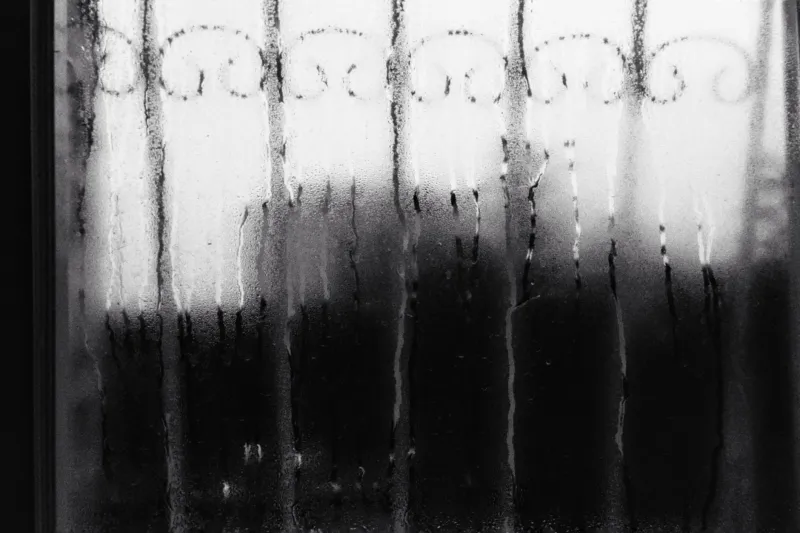
Bathrooms are the sneaky third offender. Every shower you take pumps a significant volume of warm, saturated air into a small, often poorly ventilated room. If your exhaust fan is undersized, venting into the attic instead of outside, or simply not running long enough after showers, that moisture is going somewhere — usually into wall cavities, where it feeds mold behind tile and inside drywall.
How to Assess Your Home's Ventilation Right Now
You don't need to hire anyone to do a basic audit. Start with these simple checks:
-
Attic inspection: Head up there on a bright day with a flashlight. Look for daylight coming through soffit vents — if you can't see any light, they may be blocked. Check the underside of the roof deck for dark staining, soft spots, or that distinctive musty smell that signals mold. Feel the insulation near the eaves; if it's damp or compressed against the vents, that's a problem.
-
Bathroom fan test: Hold a single sheet of toilet paper near your exhaust fan while it's running. It should hold firmly against the grille from suction alone. If it flutters or falls, your fan isn't pulling enough air. Also confirm the duct is venting to the exterior — pop into the attic and trace the duct. If it terminates inside the attic space, that's a code violation in most jurisdictions and a direct cause of attic moisture damage.
-
Crawl space check: If you have one, get under there (or hire someone who will). Look for standing water, condensation on pipes, darkened or discolored wood, and any signs of pest activity — wood-boring insects love the same damp conditions that cause rot. A vapor barrier should cover the soil surface; if it's missing or torn, moisture is moving freely into your floor structure.
Fixes That Are Worth Every Dollar
The good news is that most ventilation problems are fixable without a major renovation. Here's where to focus your energy:
Install or upgrade exhaust fans. Modern bathroom fans are quiet, efficient, and often include humidity sensors that automatically run the fan when moisture levels spike — no more forgetting to turn it on. Look for fans rated at least 50 CFM for standard bathrooms; larger bathrooms need more. Make sure any new installation is ducted to the exterior, not the attic.
Clear and add attic vents. If your soffits are blocked, pull back insulation from the eaves and install ventilation baffles (also called rafter vents) to keep a clear airflow channel. If your attic lacks ridge ventilation, a roofing contractor can add a continuous ridge vent relatively affordably — it's one of the better investments you can make in long-term roof health.
Seal and encapsulate your crawl space. If you're dealing with chronic crawl space moisture, the most effective modern solution is full encapsulation — sealing the walls and floor with a heavy-duty vapor barrier and potentially adding a dehumidifier. It costs more upfront than traditional open-vent crawl spaces, but it dramatically reduces moisture intrusion and can improve your home's energy efficiency at the same time.
Check your dryer vent. This one gets overlooked constantly. Your clothes dryer exhausts a tremendous amount of hot, humid air. If that duct is kinked, partially clogged with lint, or venting into a wall cavity or basement instead of outside, you're pumping moisture directly into your home's structure every time you run a load.
The Cost of Waiting
Ventilation repairs tend to be inexpensive in the early stages. A new bathroom fan runs $30 to $150 at any home improvement store. Attic baffles cost just a few dollars each. A crawl space vapor barrier, even professionally installed, is a fraction of what you'd pay to replace rotted floor joists.
But wait until mold has spread through your wall cavities, or until roof sheathing has deteriorated to the point of needing replacement, and you're looking at thousands — sometimes tens of thousands — of dollars in remediation and structural repair.
Your home's ability to manage moisture quietly is one of the biggest factors in its long-term structural health and resale value. Giving your house room to breathe isn't just good maintenance — it's one of the smartest things you can do as a homeowner.