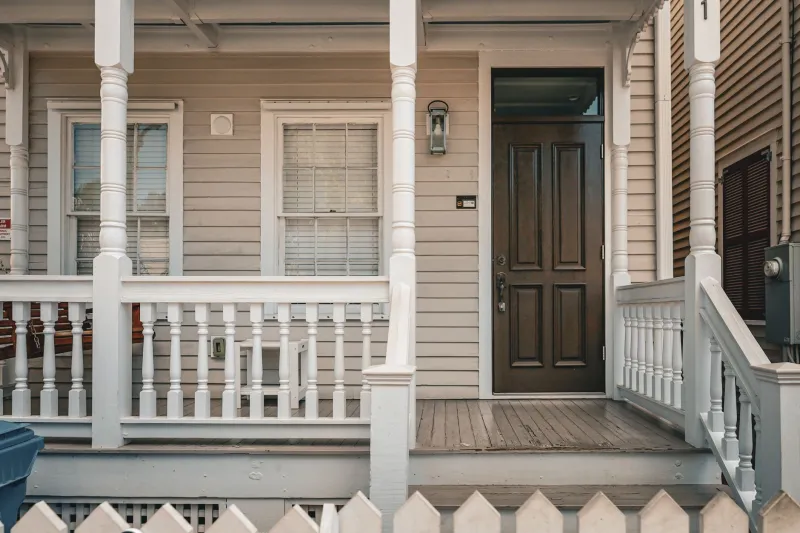
Rotting From Within: The Exterior Wood Decay Your Eyes Keep Missing
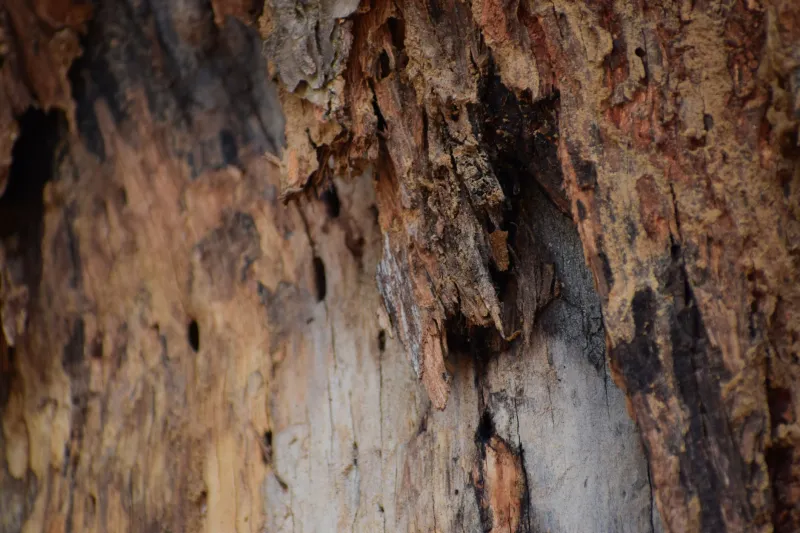
Here's the thing about wood rot — it's not dramatic. It doesn't announce itself with a loud crack or a sudden leak. It just quietly does its work, deep inside the framing of your deck, behind the painted face of your fascia boards, tucked up in the soffits where nobody ever thinks to look. By the time most homeowners notice something is wrong, the damage has already been spreading for months, sometimes years.
If you've got wood on the exterior of your home — and nearly every American house does — you've got rot risk. Understanding how decay actually works, and where it hides most effectively, is one of the more valuable things you can do for your home's long-term health.
Why Wood Rots in Ways You Can't See
Wood decay is caused by fungi, and fungi need three things to thrive: moisture, oxygen, and a food source. Exterior wood gives them all three in abundance. But what makes rot so sneaky is that the fungi don't just eat the surface — they colonize the interior fibers of the wood first. The outer face can look perfectly solid, maybe even freshly painted, while the structural core has been completely compromised.
This is especially common with painted exterior wood. Paint seals the surface and keeps things looking fine, but if moisture gets in through a crack, an end grain, or a failed caulk joint, it gets trapped. The wood can't breathe, the moisture can't escape, and the fungi get to work in a warm, wet, oxygen-rich environment with no visual clues on the outside to tip you off.
The Usual Suspects: Where Rot Hides Best
Fascia Boards Fascia is the horizontal board that runs along the lower edge of your roofline, right where the gutters attach. It's one of the most rot-prone spots on any house. Gutters overflow, joints separate, and water sits directly against the wood for extended periods. The top edge of the fascia — where it meets the roof decking — is particularly vulnerable because it's almost impossible to see from the ground.
Soffits Soffits are the underside panels that close off the gap between your exterior wall and the roofline. They're often vented, which sounds like a good thing, but those vents can let in moisture-laden air, and if ventilation is uneven or blocked, condensation builds up on the wood backing. Soft, spongy soffits are a classic sign of long-term hidden decay.
Deck Framing Your deck's surface boards are only part of the story. The joists, beams, and ledger board underneath — especially the ledger, which attaches directly to your house — are where serious structural rot develops. Water pools in the gaps between decking boards and drains straight down onto the framing. The ledger connection is particularly dangerous because rot there can compromise the entire deck's attachment to the house.
Window and Door Trim Every window and door on your home has a perimeter of wood trim. Caulk seals the joint between that trim and the siding or the window frame itself, but caulk degrades. When it cracks or pulls away, water channels directly behind the trim and into the rough framing beneath. You won't see this until you push on the trim and your finger goes through it.
Early Warning Signs Worth Knowing
You don't need to wait for visible structural failure to catch a rot problem. There are subtler signs that show up well before things get critical.
- Soft spots under paint. Press gently on painted wood trim or fascia. If it gives even slightly, that's not normal. Solid wood doesn't flex under light finger pressure.
- Paint that bubbles or peels in isolated patches. Random peeling is often a moisture signal from underneath, not just an old paint job.
- Discoloration or dark staining. Grayish or brownish streaks on wood surfaces — especially below joints, nail holes, or caulk lines — indicate water intrusion and often precede active decay.
- Pest activity near wood. Carpenter ants and wood-boring beetles don't create rot, but they're strongly attracted to wood that's already soft and damp. Their presence is a reliable secondary indicator.
- Gaps that weren't there before. When wood rots, it shrinks. Gaps opening up in trim joints or between siding boards can signal that the wood underneath is losing its mass.
How to Do a Basic Exterior Wood Inspection
You don't need professional tools to do a reasonable first pass on your own home. A simple flat-head screwdriver is your best friend here.
Work your way around the exterior and probe any wood that looks questionable. Press the tip of the screwdriver firmly against the surface — you shouldn't be able to push it in without significant force. If the wood accepts the screwdriver tip with little resistance, or if the wood crumbles or breaks apart rather than splintering, you've found rot.
Pay special attention to end grains (the cut ends of boards where water absorbs fastest), any spot where two pieces of wood meet, areas below gutters or downspouts, and anywhere caulk looks cracked or separated. Do this at least once a year, ideally in early spring after winter moisture has done its worst.
Why Fast Action Saves Real Money
Wood rot doesn't stay contained. It spreads to adjacent wood, and it often compromises the structural members behind the cosmetic trim you can see. A rotted fascia board that costs a few hundred dollars to replace today can, if left alone, lead to rotted roof sheathing — a repair that can run several thousand dollars. A compromised deck ledger that goes unaddressed can result in a deck that needs to be completely torn down and rebuilt, often costing $10,000 or more.
Beyond cost, there's a safety dimension. Deck collapses injure people every year in the US. Most of them trace back to structural wood decay that was invisible until the failure point.
When rot is caught early and is limited in scope, a skilled carpenter can often cut out just the affected section and sister in new lumber or splice in a replacement piece. That kind of targeted repair is far less disruptive and far less expensive than wholesale replacement.
When to Bring in a Pro
DIY inspection is genuinely useful, but professional eyes catch things homeowners miss — especially when it comes to roof-adjacent areas, structural deck framing, or anything that requires getting into tight or elevated spaces. A good exterior carpenter or general contractor can probe and assess areas that are simply out of reach for most homeowners, and they know what "normal" looks like versus what's a problem in the making.
If you've found soft spots, if your paint is behaving strangely in isolated areas, or if you just haven't had an exterior wood inspection in several years, booking a professional walkthrough is money well spent. The cost of an hour of a contractor's time is trivial compared to what deferred rot repair ends up costing.
Your home's exterior wood is working hard to protect everything inside. The least you can do is check on it once in a while — before the rot does the checking for you.