Spotless Doesn't Mean Safe: The Pest Vulnerabilities Hiding in Your Tidiest Rooms

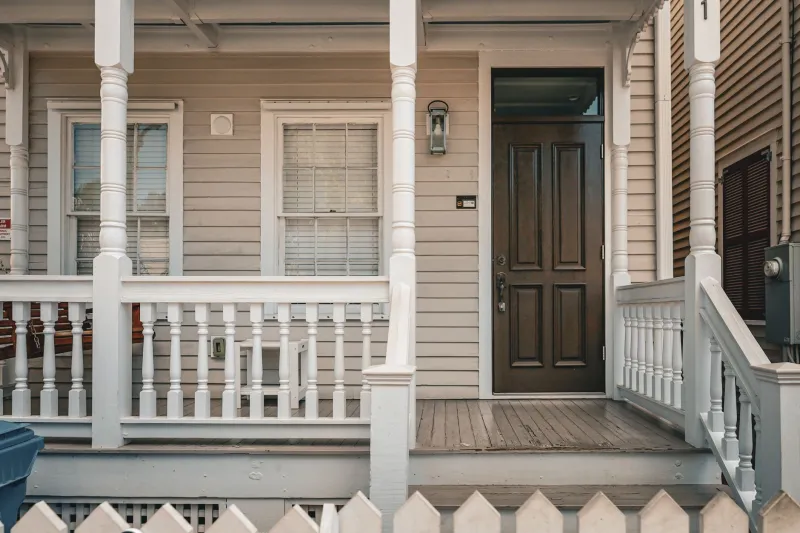
Photo by Photo by Marija Zaric on Unsplash on Unsplash
There's a frustrating moment that happens to homeowners who take genuine pride in their space: you find evidence of a pest problem — droppings behind the dryer, a line of ants crossing a spotless countertop, or soft rustling sounds from inside a wall — and your first reaction is disbelief. My house is clean. How is this happening?
Here's the honest answer: cleanliness and pest resistance are not the same thing. Not even close. Pests don't primarily move in because your kitchen is messy. They move in because your home has structural opportunities they can exploit — and those opportunities exist in clean houses just as often as in cluttered ones.
Understanding that distinction is the first step toward actually protecting your home.
Why Cleanliness Is Only Half the Equation
Most pest prevention advice focuses on food and moisture — don't leave crumbs out, fix dripping faucets, store pantry items in sealed containers. That advice isn't wrong. It just isn't complete.
Pests like mice, rats, carpenter ants, and termites aren't just looking for food. They're looking for harborage: warm, protected spaces where they can nest, breed, and stay hidden from predators (and from you). A freshly mopped floor means nothing to a mouse that has already found a gap behind your dishwasher. A sparkling bathroom offers no resistance to a colony of carpenter ants that has tunneled into the wall framing behind your vanity.
The cleanliness paradox goes even further. Homeowners who keep tight, organized spaces often create ideal nesting conditions without realizing it. Neatly stacked cardboard boxes in a basement corner, undisturbed spaces beneath a guest bed, or the quiet void behind a built-in bookshelf — these are exactly the kinds of low-traffic, sheltered spots pests seek out. The tidier and more undisturbed the space, the safer it feels to them.
The Entry Points Most Homeowners Miss
If pests are getting in, they're using a door you didn't know you left open. The most common structural vulnerabilities include:
Gaps around utility penetrations. Anywhere a pipe, wire, or conduit enters your home from outside is a potential entry point. Plumbers and electricians seal what they need to seal for their work, but the surrounding gap — often filled loosely with foam or left open entirely — can be large enough for mice, which only need a hole the size of a dime.
Foundation cracks and weep holes. Hairline cracks in a concrete foundation might look cosmetic to you, but they're a highway for ants, centipedes, and moisture-loving pests. Weep holes in brick veneer serve an important drainage function, but they also invite insects if they're not protected with appropriate screening.
Roofline and soffit gaps. Squirrels, raccoons, and bats don't use your front door. They use the spots where your fascia board has pulled away slightly, where a soffit panel has warped, or where your roof meets a dormer wall. These are quiet, elevated entry points that homeowners rarely inspect.
Door and window weatherstripping. Old or compressed weatherstripping doesn't just let in cold air — it creates consistent, predictable gaps that insects use repeatedly. Even a worn threshold sweep under a back door is enough for a determined ant colony to establish a trail.
Seasonal Pest Pressure: It Changes Every Quarter
One reason pest prevention feels like a moving target is that different pests peak at different times of year, and they're responding to outdoor conditions, not your cleaning schedule.
In spring, overwintering insects that sheltered in your walls and attic start becoming active. Stink bugs, boxelder bugs, and cluster flies are common offenders. This is also when termite swarmers emerge — and if you see winged termites inside your home in March or April, that's a sign of an established colony, not a new arrival.
Summer brings ants in force. Carpenter ants are particularly destructive because they excavate wood to build galleries, causing structural damage that mimics (and can mask) termite activity. Mosquitoes and wasps build nests in eaves, attic vents, and under deck boards during this period.
Fall is the most critical window for rodent intrusion. As temperatures drop, mice and rats actively seek warmth, and they'll probe your home's exterior methodically. A mouse can collapse its rib cage to squeeze through a gap smaller than a pencil eraser — your home has more of those than you think.
Winter feels quiet, but that's partly because infestations are happening out of sight. Pests that made it inside in fall are now nesting deep in insulation, wall cavities, and crawl spaces — doing damage you won't discover until spring.
The Real Cost of Letting Pests Get Established
Pest control calls are not cheap, but they're not the most expensive part of the problem. The real financial damage comes from what pests do while they're living in your home undetected.
Termites cause an estimated $5 billion in property damage annually in the US, and most homeowner's insurance policies don't cover it. A carpenter ant colony left undisturbed for a few years can compromise load-bearing framing. Rodents chew through electrical wiring — a documented cause of house fires — and contaminate insulation with urine and droppings, which often requires full attic remediation rather than a simple cleanup.
The math is straightforward: a $200 annual pest inspection and $50 in weatherstripping and caulk is a very different conversation than a $15,000 termite remediation or a rewire job that runs into the thousands.
Building a Pest-Resistant Home (Not Just a Clean One)
Shifting your approach from hygiene-focused to structure-focused changes what you actually do:
- Walk your exterior once a season with a critical eye. Look at where the foundation meets the siding, where utilities enter, and where wood contacts soil. Any wood-to-ground contact is a termite invitation.
- Caulk and seal aggressively. Use a combination of steel wool and caulk for rodent-prone gaps (they can chew through foam alone), and silicone caulk for insect-level cracks around windows and doors.
- Keep vegetation back from the house. Mulch, shrubs, and firewood stacked against the foundation create a sheltered bridge between the outdoors and your walls. Maintain at least a 12-inch clearance.
- Address moisture at the source. Fix gutters that dump water near the foundation, ensure your crawl space has proper vapor barriers, and repair any roof leaks promptly. Moisture is the single biggest attractor for wood-destroying insects.
- Schedule professional inspections. A licensed pest control professional can identify evidence of activity you'd never notice on your own — and many companies offer annual inspection plans that are genuinely worth the cost.
The Bottom Line
Your clean home deserves credit. Good hygiene eliminates one category of pest attractant, and that matters. But pests are opportunists working on a structural level, and they'll find the gaps in your home's exterior long before they care about the state of your kitchen. The homeowners who win the pest prevention game are the ones who treat it as a maintenance issue — not a cleanliness issue — and inspect, seal, and monitor their home's physical integrity on a regular basis. That's the kind of protection no amount of scrubbing can replace.