Every Room Has a Secret Maintenance List — Here's What Yours Is Hiding

Photo: USDAgov, Public domain, via Wikimedia Commons
Let's be honest: most home maintenance advice sounds the same. Change your filters. Check your smoke detectors. Clean the gutters. And yes, all of that matters — but it barely scratches the surface of what your home actually needs to stay in good shape.
Every room in your house has its own set of quirks, vulnerabilities, and slow-burn problems just waiting to become expensive repairs. The good news? Most of these tasks take less than an hour, and doing them on a regular schedule can save you hundreds — sometimes thousands — of dollars over the years.
Let's walk through your home, room by room, and talk about what you're probably not doing but definitely should be.
Kitchen: More Going On Than You Think
The kitchen takes a beating every single day, and most of the wear happens in places you're not looking.
Check the caulk around your sink — every six months. That thin line of sealant between your sink and countertop is doing real work. When it cracks or pulls away, water sneaks underneath and quietly rots the cabinet structure below. It's a five-minute fix with a tube of kitchen caulk, and it prevents what can turn into a full countertop replacement.
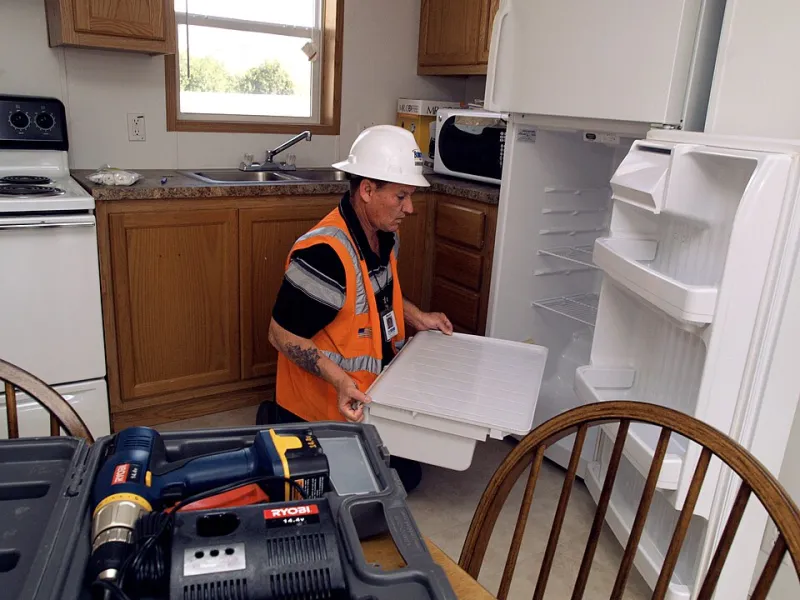
Clean behind and underneath your refrigerator — at least once a year. Dust-clogged condenser coils force your fridge to work harder, which shortens its lifespan and raises your energy bill. Pull it out, vacuum the coils (usually on the back or underneath), and wipe down the floor while you're back there.
Test your garbage disposal — monthly. Run it with cold water and a few ice cubes to keep the blades sharp and the interior clean. While you're at it, check under the sink for any drips around the disposal connection or the P-trap. A slow drip there can go unnoticed for months.
Inspect the range hood filter — every three months. Grease builds up fast, and a clogged filter is both a fire hazard and an air quality issue. Most filters are dishwasher-safe, so there's really no excuse.
Bathrooms: Small Spaces, Big Problems
Bathrooms are moisture-heavy environments, which means the margin for error on maintenance is pretty slim.
Regrout tile floors and walls every few years — inspect them annually. Grout is porous, and once it starts cracking or discoloring beyond what cleaning can fix, water gets behind the tile. Behind the tile is your subfloor. And behind your subfloor is a very expensive problem.
Recaulk the tub and shower surround every one to two years. Even if it looks okay, caulk around a tub or shower degrades faster than you'd expect. Press gently along the bead — if it feels soft, spongy, or pulls away easily, it's time to redo it. This is a Sunday afternoon project that protects against mold growth and structural water damage.
Check the toilet base for any movement — every few months. Grab the bowl with both hands and give it a gentle rock. Any wobble means the wax ring seal underneath may be failing, which can allow sewer gases into your home and cause water damage to the subfloor. Tightening the floor bolts sometimes fixes it; other times the wax ring needs replacing.
Verify your exhaust fan is actually working — annually. Hold a piece of toilet paper near the vent cover. If it doesn't get sucked toward the fan, it's not doing its job. A non-functional bathroom fan leads to excess moisture, which leads to mold. Clean the vent cover and check that the fan itself is spinning freely.
Bedrooms: Easy to Overlook Because Nothing Seems to Break
Bedrooms feel low-maintenance, and that's exactly why they get ignored.
Vacuum HVAC vents and returns — every three to four months. Bedroom vents collect dust, pet hair, and debris that restricts airflow throughout your system. It takes two minutes with a vacuum attachment and makes a real difference in air quality and system efficiency.
Check window seals for fogging or condensation between panes — annually. If you're seeing cloudiness or moisture trapped inside double-pane windows, the seal has failed. It won't fix itself, and while it doesn't cause structural damage immediately, it does hurt your home's insulation and energy efficiency. Budget to replace those windows when you can.
Inspect closet areas for signs of moisture or mold — twice a year. Exterior-facing closets, especially in older homes, are surprisingly prone to condensation and mold growth. A quick look at the corners and baseboards twice a year catches problems before they spread to your clothes and walls.
Living Room and Common Areas: High Traffic, Hidden Wear
Test all GFCI and standard outlets — annually. GFCI outlets (the ones with the test/reset buttons, typically near water sources) need to be tested regularly. But while you're at it, use a simple outlet tester from any hardware store to check standard outlets throughout your living spaces for proper grounding. Faulty wiring doesn't always announce itself.
Check baseboards and crown molding for gaps — every year or two. Gaps where molding meets the wall or floor aren't just cosmetic. They're entry points for drafts, moisture, and pests. A tube of paintable caulk and twenty minutes closes those gaps and keeps your home tighter.
Inspect fireplace dampers before heating season. If you have a wood-burning or gas fireplace, make sure the damper opens and closes fully before you light your first fire of the season. A stuck-open damper wastes heat all winter; a stuck-closed one is a carbon monoxide hazard.
Utility Areas: Where Maintenance Really Pays Off
Flush your water heater — annually. Sediment builds up at the bottom of your tank over time, reducing efficiency and shortening the unit's life. Attach a garden hose to the drain valve, run it outside or to a floor drain, and flush until the water runs clear. It's one of the highest-return maintenance tasks you can do.
Check your washing machine hoses — every six months. The rubber hoses connecting your washer to the water supply can crack and burst without warning. Look for bulging, cracking, or any moisture around the connections. If your hoses are more than five years old, consider upgrading to braided stainless steel hoses — they're much more durable.
Inspect your dryer vent duct — at least once a year. Lint buildup in dryer ducts is a leading cause of house fires in the US. Disconnect the duct from the back of the dryer and check for blockages. If the duct run is long or has multiple bends, consider hiring a professional to clean it out.
Make It a Habit, Not a Panic
The thing about preventative maintenance is that it's never urgent — until it suddenly is. None of these tasks are glamorous, and most of them won't produce an immediate "wow" moment. But taken together, they form a layer of protection around your home that keeps small issues from snowballing into major repairs.
A good approach: pick one room per month and run through its checklist. By the time you've cycled through the whole house, it's time to start again. Slow, steady, and consistent beats a frantic weekend of catching up every time.