What's Hiding Above Your Ceiling? The Attic Problems That Are Quietly Draining Your Bank Account
Most homeowners treat the attic like a storage unit with a weird ladder. You toss holiday decorations up there, maybe some old luggage, and then you forget about it for the next eleven months. But here's the thing — your attic is one of the hardest-working spaces in your entire house, and when it's not doing its job, you're the one paying for it.
We're talking higher utility bills in July and January, surprise roof repairs, and in bad cases, structural damage that can run well into five figures. The frustrating part? A lot of this is completely preventable with a basic inspection and a little maintenance know-how.
Let's break down what's actually going on up there — and what you can do about it.
Why the Attic Matters More Than You Think
Think of your attic as a buffer zone between your living space and the outside world. In summer, it absorbs a massive amount of heat from the roof. In winter, it's supposed to hold the warm air inside your home rather than letting it leak out through the top. When that buffer zone is compromised — through bad insulation, poor airflow, or moisture buildup — your HVAC system has to work overtime to compensate.
According to the U.S. Department of Energy, heating and cooling accounts for about 43% of the average American home's energy bill. A poorly maintained attic can be responsible for a significant chunk of that waste. We're not talking small numbers here.
Your DIY Attic Inspection Checklist
Before you call anyone, grab a flashlight, wear a dust mask, and spend 20–30 minutes doing a walkthrough yourself. Here's what to look for:
Insulation depth and coverage In most parts of the US, attic insulation should be somewhere between R-38 and R-60, depending on your climate zone. If you can see the tops of your floor joists poking through the insulation, you almost certainly don't have enough. Look for gaps around light fixtures, plumbing penetrations, and the attic hatch itself — these are common spots where insulation gets skipped.
Ventilation setup Look for soffit vents along the eaves and ridge vents or gable vents near the peak. Both intake and exhaust are necessary for proper airflow. If you've got insulation blocking the soffit vents, that's a problem. Stagnant air in an attic leads to moisture, mold, and premature roof deck deterioration.
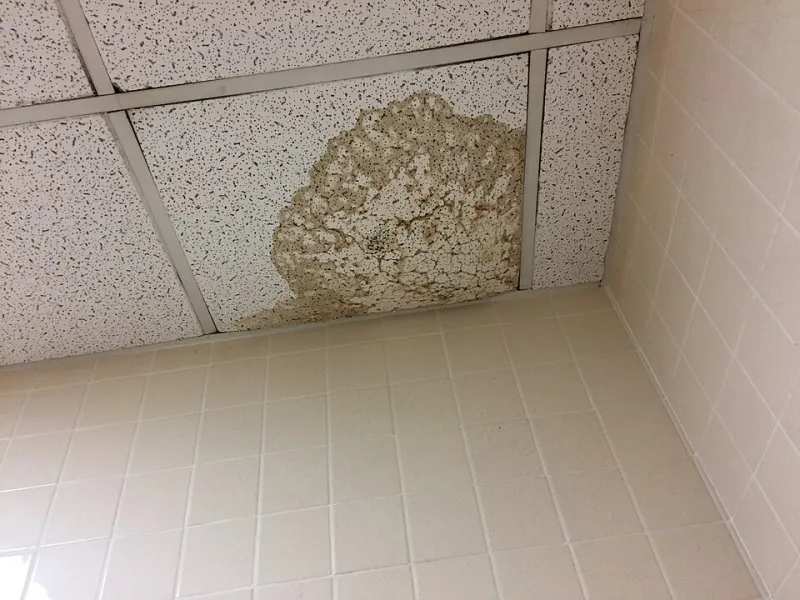
Signs of moisture or mold Black or dark gray staining on the roof sheathing is a red flag. So is wood that looks soft, discolored, or frost-covered in winter. Moisture in an attic usually comes from one of three sources: roof leaks, condensation from poor ventilation, or air leaks from the living space below (think bathroom exhaust fans venting into the attic instead of outside).
Pest evidence Mouse droppings, chewed insulation, or nesting material are signs you've got uninvited guests. Squirrels and raccoons can cause serious damage to wiring and structural components. If you find evidence of animals, that needs to be addressed before anything else.
HVAC ducts and bypasses If your home has ductwork running through the attic, check for disconnected joints, tears in the insulation wrap, or visible gaps. Leaky ducts in an unconditioned attic are one of the most efficient ways to throw money into the void.
The Warning Signs You Shouldn't Ignore
Sometimes the attic tells you it needs attention before you even climb up there. Watch for these clues from inside your home:
- Rooms that are hard to heat or cool, especially on the top floor
- Ice dams forming on your roof edges in winter (this almost always points to heat escaping through the attic and melting snow unevenly)
- Higher-than-normal energy bills with no obvious explanation
- Musty smells coming from upstairs rooms or the attic hatch
- Visible daylight around the attic hatch frame
Any one of these is worth investigating. Multiple symptoms together mean you probably have a compounding problem that's getting more expensive by the season.
What You Can Handle Yourself
The good news is that a fair amount of attic maintenance falls squarely in DIY territory — no license required.
Adding insulation is one of the highest-ROI home improvements you can make, and blown-in insulation is actually a pretty manageable weekend project. Home improvement stores like Home Depot and Lowe's even rent out the blowing machines for free when you buy enough bags of insulation.
Sealing air bypasses with canned spray foam or caulk is inexpensive and surprisingly impactful. Focus on gaps around light fixtures, plumbing stacks, and top plates where the walls meet the attic floor.
Redirecting exhaust fans that vent into the attic is also a DIY-friendly fix — you just need to extend the duct to the exterior and cap it properly.
Clearing blocked soffit vents and installing rafter baffles to maintain airflow channels is another manageable task for a handy homeowner.
When to Call a Professional
Some attic issues are beyond the weekend warrior skill set, and that's totally fine. Call in a pro when you're dealing with:
- Active mold growth, especially if it covers a large area. Mold remediation requires proper containment and disposal — this isn't a bleach-and-call-it-done situation.
- Structural damage to rafters or the roof deck. A licensed contractor needs to assess load-bearing components.
- Active pest infestations. Wildlife removal often requires permits and specialized handling.
- Electrical wiring concerns. If you see chewed wires, exposed conductors, or outdated knob-and-tube wiring, bring in a licensed electrician.
- Roof leaks you can't trace. A roofing contractor can do a proper inspection and identify the source faster and more accurately than most homeowners can on their own.
Energy auditors are also worth considering if your bills are high and you're not sure where to start. Many utility companies in the US offer free or subsidized home energy audits that include attic assessments.
The Bottom Line
Your attic doesn't need to be a beautiful space. It just needs to do its job — and right now, if you haven't checked it in a few years, there's a decent chance it isn't. A single afternoon spent up there with a flashlight and a checklist could save you a significant amount of money over the next few years.
Start with the inspection. See what you're working with. Then tackle the easy fixes first — insulation, air sealing, ventilation — and bring in help for anything that feels over your head. Your energy bills will thank you, and so will your roof.