Season-by-Season Home Emergencies: What to Watch For Before It Gets Expensive
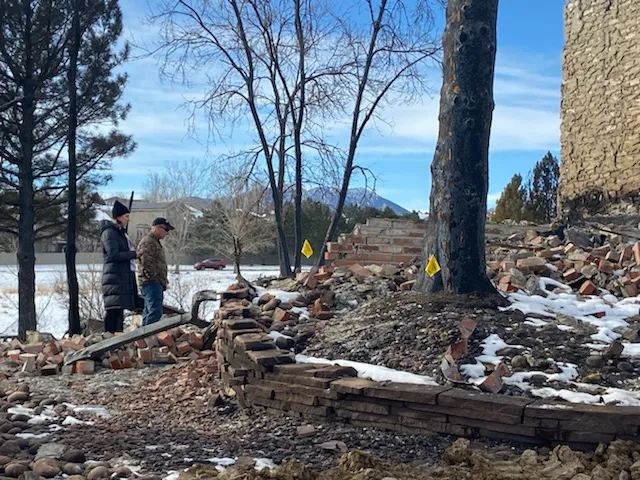
Photo: State Farm, CC BY 2.0, via Wikimedia Commons
There's a particular kind of frustration that comes with a home emergency — not just the problem itself, but the sinking feeling that you should have seen it coming. The burst pipe in January. The AC that dies on the hottest Friday of the year. The gutters that give out right in the middle of a fall downpour.
Here's the uncomfortable truth: most of these crises aren't random. They're seasonal. They follow predictable patterns tied to temperature swings, moisture cycles, and the natural wear patterns of your home's systems. The homeowners who avoid the worst outcomes aren't lucky — they're paying attention.
This guide walks through the most common season-specific home emergencies across the US, what early warning signs to look for, how to respond quickly when something goes wrong, and how to build a simple emergency preparedness mindset that fits your climate and home type.
Spring: When the Ground Thaws and Problems Surface
Spring is deceptive. It feels like relief after winter — but for your home, it's often when winter's damage finally shows up.
Foundation Cracks and Water Intrusion
As frozen ground thaws, the soil around your foundation shifts. This is called frost heave, and it can open up cracks or worsen existing ones. Walk your home's perimeter in early spring and look for new horizontal or diagonal cracks in the foundation. Horizontal cracks in particular are a red flag — they can indicate lateral pressure from saturated soil.
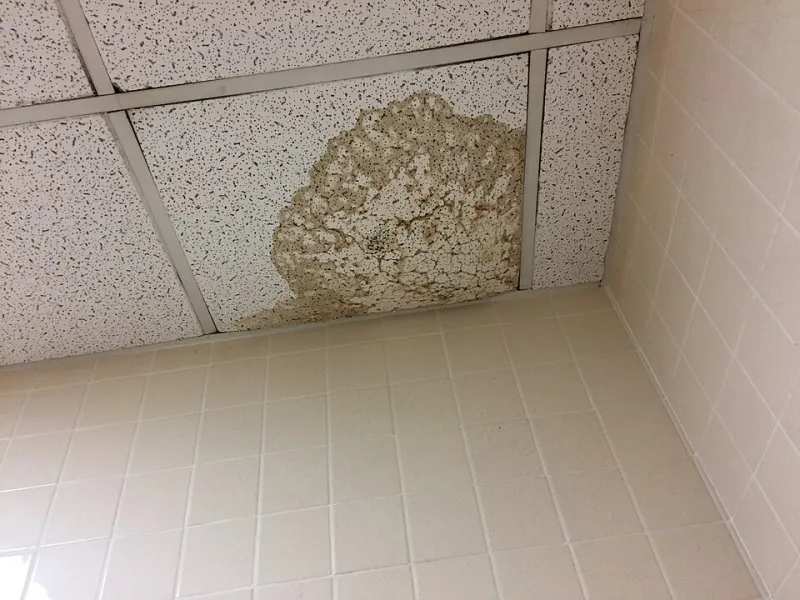
Inside, look for fresh water stains along basement walls or floors, especially after the first few heavy spring rains. A little seepage after an unusual storm isn't always alarming, but consistent water entry needs attention fast.
Quick fix: Make sure your downspout extensions are directing water at least 4–6 feet away from the foundation. Check that the soil around your home grades away from the structure. These two things alone prevent a surprising amount of spring water intrusion.
Call a pro if: You see cracks wider than a quarter-inch, horizontal cracking, or bowing walls. Foundation issues escalate quickly and aren't a DIY situation.
Sump Pump Failure
Your sump pump sat dormant all winter. Spring is when it earns its keep — and when you find out it's dead. Test yours before the rainy season hits by pouring a bucket of water into the pit and confirming it kicks on.
Summer: Heat, Humidity, and HVAC Nightmares
Summer brings a specific kind of home emergency dread: the AC going out on a 95-degree weekend.
Air Conditioning Failure
AC systems are most likely to fail during the first serious heat wave of the season, when they're working hardest after months of sitting idle. Warning signs include weak airflow, warm air from the vents, unusual noises, and — a sneaky one — ice forming on the refrigerant lines outside.
Quick fix: Change your air filter before summer starts. A clogged filter is one of the most common causes of AC strain and early failure. Clear any debris from around the outdoor condenser unit.
Call a pro if: The system won't cool the house despite running constantly, you're seeing refrigerant leaks (oily residue near lines), or the unit is more than 12–15 years old and struggling. Don't wait — HVAC technicians book out fast during heat waves.
Attic Heat Buildup and Roof Damage
Summer heat can push attic temperatures above 150°F, which accelerates shingle deterioration and can warp roof decking over time. Check your attic ventilation annually. Ridge vents, soffit vents, and gable vents should all be clear and unobstructed.
Also inspect your roof (or hire someone to) after any significant summer storm. Missing shingles, lifted flashing around chimneys and skylights, and granule loss in your gutters are all warning signs that your roof is losing its protective edge.
Fall: The Season of Deferred Maintenance Coming Due
Fall is a critical prep window — and also when a few specific emergencies tend to catch people flat-footed.
Gutter Overload and Overflow
Leaf-clogged gutters are almost a cliché, but the damage they cause is very real. When gutters back up, water spills over the edge and pools against your foundation. It also backs up under the roofline, which can lead to rot, ice dams in winter, and interior water damage.
Clean gutters in late fall after most leaves have dropped — not before. If you're doing it yourself, use a stable ladder, wear gloves, and check the downspouts for blockages too. Gutter guards help but aren't a permanent solution; they still need periodic maintenance.
Quick fix: A gutter flush with a garden hose after cleaning confirms everything is draining properly. Check that downspout joints are secure — they come apart more often than people realize.
Heating System Wake-Up Failures
Furnaces that sat idle all summer sometimes refuse to fire up when you first need them in October. Odd smells (burning dust is normal; burning plastic or sulfur is not), no heat despite the thermostat calling for it, and short-cycling (the system turns on and off rapidly) are all signs of trouble.
Schedule your annual furnace tune-up in September — before HVAC companies are slammed with emergency calls.
Winter: Cold Weather and the Damage It Leaves Behind
Frozen and Burst Pipes
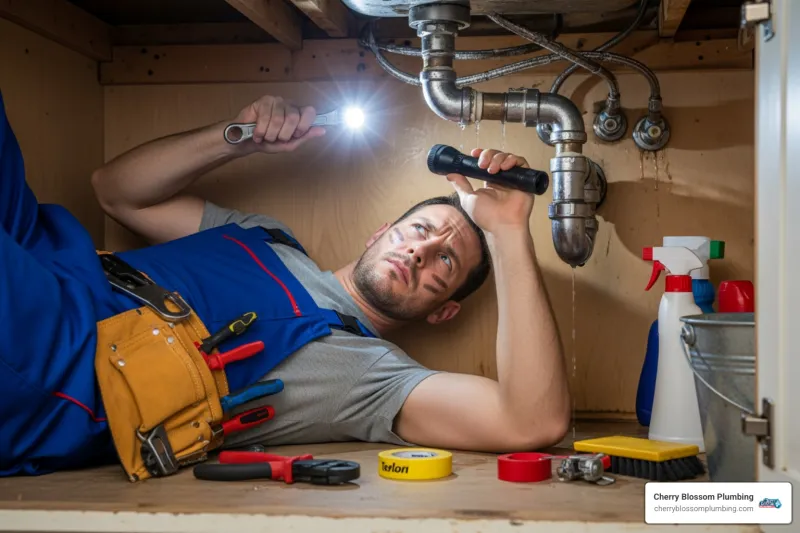
This one hits fast and costs a lot. Pipes in exterior walls, unheated crawl spaces, and garages are the most vulnerable. When water freezes, it expands — and pipes can burst quietly, only revealing the damage when they thaw.
Early warning signs: Reduced water pressure, frost on exposed pipes, or strange gurgling sounds.
Quick fix: When temps drop below 20°F, let faucets connected to exterior walls drip slightly. Open cabinet doors under sinks on exterior walls to let warm air circulate. If you leave town in winter, never set your thermostat below 55°F.
Call a pro if: A pipe has already burst. Shut off the main water supply immediately and call a plumber. Water damage compounds fast.
Ice Dams
Ice dams form when heat escapes through your roof, melts snow, and the meltwater refreezes at the cold eaves. The resulting ice backup can force water under shingles and into your home.
The real fix is better attic insulation and ventilation, but in the short term, a roof rake (a long-handled tool you use from the ground) can remove snow buildup before dams form.
Building Your Personal Emergency Prep Plan
Not every emergency applies to every home. A homeowner in Phoenix isn't worried about ice dams. Someone in Minnesota isn't losing sleep over summer humidity the way someone in Houston is.
Here's how to build a prep plan that actually fits:
- Know your climate zone. The US spans a huge range of conditions. Your regional risks should drive your seasonal checklist.
- Know your home's age and systems. A 1965 house with original plumbing needs different attention than a 2005 build.
- Keep a short emergency contact list. Plumber, electrician, HVAC tech, roofer. Find them before you need them — when you're panicking is not the time to vet contractors.
- Set calendar reminders. Seriously. A 15-minute fall gutter check prevents a $3,000 foundation repair. Make it automatic.
The homes that hold up best over time aren't the most expensive ones — they're the most attended to. Seasonal awareness is one of the simplest, highest-return habits a homeowner can build.