Your House Is Talking Through Its Smells — Are You Listening?

Most of us rely on our eyes to catch home problems. We look for cracks, stains, peeling paint, water spots. But here's the thing: your nose usually gets the memo first. Long before mold becomes visible, before wiring starts to scorch, before a gas leak reaches dangerous concentrations — there's a smell. A subtle, easy-to-dismiss smell that a lot of homeowners chalk up to "just the house" or last night's dinner.
That instinct to brush it off? It can get expensive. Or worse.
Think of odor recognition as an early-warning system that came built into your home — no subscription required. The trick is knowing what each scent is actually telling you.
Musty and Earthy: The Classic Mold Signal
If you've ever walked into a basement or opened a closet and caught that damp, slightly stale, almost soil-like smell — you already know this one. That musty odor is one of the most common (and most ignored) warning signs in American homes.
Mold and mildew don't need a flood to get started. A slow drip behind drywall, poor ventilation in a bathroom, or condensation collecting in a crawl space is more than enough. The smell often shows up weeks or even months before you'd ever spot visible growth.
Where to sniff it out: basements, crawl spaces, bathroom walls, under sinks, around window frames, and inside HVAC air ducts. If you notice the smell gets stronger when your heating or cooling kicks on, there's a real chance mold has taken hold somewhere in the duct system — and it's getting distributed throughout your home every time the air runs.
Don't just mask it with an air freshener. Track it down.
Rotten Eggs: Stop What You're Doing Right Now
Natural gas is odorless by nature. That sulfur-like, rotten-egg smell you associate with gas leaks? That's actually a chemical called mercaptan, added by utility companies specifically so you can detect a leak before things go sideways.
If you catch even a faint whiff of rotten eggs near your stove, water heater, furnace, or along any gas line — don't flip a light switch, don't use your phone inside, don't try to find the source yourself. Get everyone out of the house immediately and call your gas company or 911 from outside.
This isn't a situation where you wait and see. Gas leaks can lead to fires and explosions, and the margin for error is essentially zero.
A similar smell — but more like sewage than sulfur — can also indicate a dried-out P-trap in a drain or a cracked sewer line. That version won't blow your house up, but it's still a health concern. Sewer gases contain hydrogen sulfide and methane, neither of which you want circulating through your living space.
Sweet or Fishy Near Outlets: Electrical Trouble Is Brewing
This one surprises a lot of people. Electrical problems don't always announce themselves with sparks or tripped breakers. Sometimes the first clue is a smell — and it's oddly pleasant.
Overheating plastic insulation around wiring can give off a faintly sweet smell, almost like burning candy or warm plastic. Some people describe it as a fishy or urine-like odor, which comes from certain types of electrical components heating up beyond their safe operating temperature.
If you notice this smell near an outlet, a breaker panel, behind a wall where wiring runs, or around any appliance — take it seriously. Electrical fires often start inside walls and can smolder for hours before breaking out into open flame. By the time smoke detectors go off, significant damage may already be done.
Call a licensed electrician. Don't plug anything else into that outlet. Don't ignore it because the smell comes and goes.
Stale or Chemical Near HVAC Vents: Your System Might Be Compromised
A burning dust smell at the start of heating season is usually harmless — that's just accumulated dust on the heat exchanger burning off. It should clear up within an hour or two.
But if you're getting a persistent chemical smell, something like formaldehyde or a sharp industrial odor, that's a different story. It could indicate a cracked heat exchanger in your furnace — a serious issue that allows combustion gases, including carbon monoxide, to mix with the air circulating through your home.
Carbon monoxide is colorless and odorless on its own, which is why a CO detector is non-negotiable. But other combustion byproducts do have a smell, and that chemical edge in your forced air is worth investigating immediately.
Also pay attention to a musty smell from vents specifically — that's a strong sign of mold inside the ductwork, which gets blown into every room in your home each time the system runs.
Wet Dog or Dirty Laundry: Humidity Is Out of Control
That persistent damp-fabric, slightly animal-like smell that lingers even after you've cleaned? It usually means your home's humidity levels are running too high. Over time, high indoor humidity encourages mold growth, attracts dust mites, and degrades building materials.
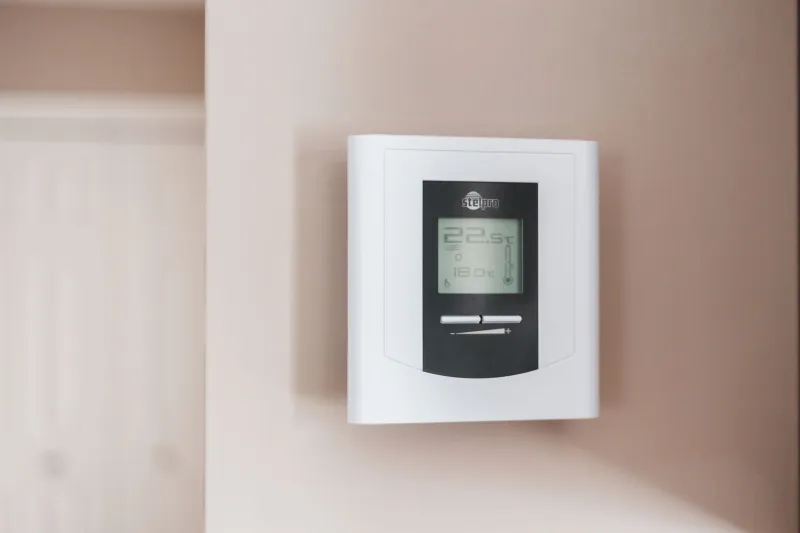
This smell often shows up in rooms with poor ventilation — think older bathrooms without exhaust fans, finished basements, or rooms where the HVAC airflow is weak. Check your indoor humidity with a simple hygrometer (they're cheap and widely available). Ideally, you want to stay between 30% and 50% relative humidity indoors.
A whole-home dehumidifier or targeted ventilation upgrades can go a long way. So can sealing air leaks that let humid outdoor air sneak in during summer months.
Building Your Nose Into Your Maintenance Routine
Here's the practical takeaway: start paying attention to how your home smells during your regular walkthroughs. Not just in problem areas — everywhere. The laundry room, the utility closet, near the electrical panel, in the attic if you access it.
You're not looking for anything dramatic. You're just building a baseline. Once you know what your home normally smells like, anything that doesn't fit gets flagged immediately — before it turns into a repair bill or a safety emergency.
A few habits worth building:
- Smell near outlets and switches when you're doing your seasonal checks.
- Check under sinks for that musty hint that means a slow drip has been going on longer than you realized.
- Notice if the air changes when your HVAC kicks on — that's a clue about what's living in your ducts.
- Trust your gut when something smells off, even if you can't identify it.
Your eyes catch what's already visible. Your nose catches what's still hidden. In home maintenance, the earlier you catch something, the cheaper and safer the fix. Start treating your sense of smell like the diagnostic tool it actually is.