Why Your Thermostat Is Gaslighting You (And What to Do About It)
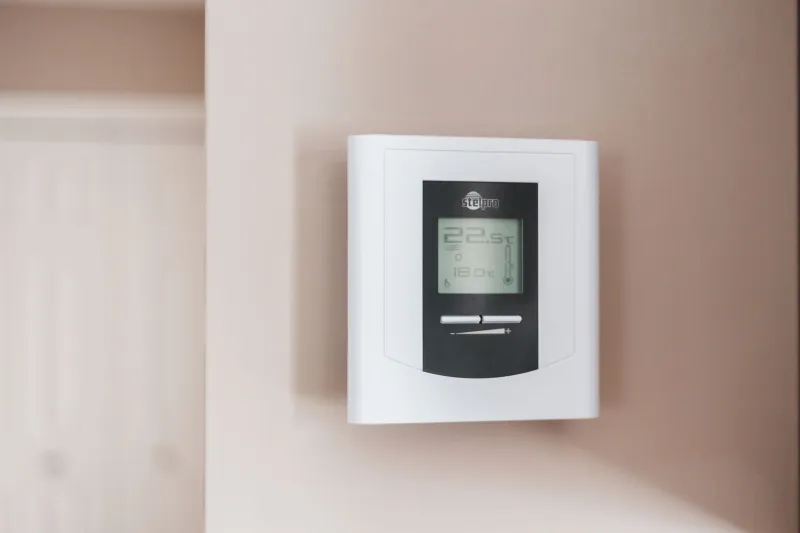
You set the thermostat to 70°F, go to bed, and wake up in what feels like a sauna. You nudge it down a couple of degrees. Still uncomfortable. You bump it back up. Nothing makes sense. Sound familiar?
Here's the thing: your thermostat probably isn't broken. It's doing exactly what it was designed to do. The problem is that your home — the walls, the ductwork, the furniture arrangement, even where the thermostat is physically mounted — may be undermining everything that little device is trying to accomplish. And until you understand why your comfort doesn't match the number on the screen, you're just guessing.
Let's break down what's really going on.
The Thermostat Only Knows What's Right in Front of It
This is the big one that most homeowners never think about. Your thermostat reads the temperature at one specific spot in your home — wherever it's mounted. That's it. It has no idea what's happening in your master bedroom, your sun-drenched back office, or your basement home gym.
If your thermostat is located in a hallway that stays naturally cool because it's shaded, away from exterior walls, and rarely occupied, it's going to think the house is comfortable long before the rest of the rooms actually are. The system shuts off. You're still sweating in the kitchen.
The reverse is also true. A thermostat mounted near a drafty window or above a heat-generating appliance like a TV console will read warmer than the actual ambient temperature in the rest of the house. It'll keep calling for cooling when half your rooms are already at a reasonable temperature — and your energy bill will show it.
The fix here isn't always complicated. Sometimes it's just about relocating the thermostat to an interior wall in a central, frequently occupied room — away from vents, windows, direct sunlight, and heat sources. If relocation isn't practical, a smart thermostat with remote sensors can help by averaging temperatures across multiple rooms.
Airflow Problems That Make Numbers Meaningless
Even if your thermostat is perfectly placed, your HVAC system can still deliver uneven results if the airflow is compromised. Closed or blocked vents, dirty filters, and undersized return air grilles all create pressure imbalances that leave some rooms starved for conditioned air while others get blasted.
A common mistake homeowners make is closing vents in unused rooms to "save energy." It sounds logical, but it can actually increase static pressure in your duct system, reduce overall efficiency, and cause your equipment to work harder than it should. Your system was designed to move a certain volume of air. Blocking that flow throws everything off.
Check your vents. Make sure furniture isn't sitting directly in front of supply or return registers. Replace your air filter if it's been more than 60 to 90 days — a clogged filter is one of the most common and most overlooked causes of poor temperature distribution. These are quick wins that can make a noticeable difference almost immediately.
Programming Mistakes That Cost You Comfort and Cash
Programmable and smart thermostats are genuinely useful tools, but they're only as smart as the schedule you build for them. Plenty of homeowners set up a program once, forget about it, and then wonder why the house feels off every time their routine changes.
One of the most common programming errors is setting temperature setbacks that are too aggressive. Dropping your heat from 70°F to 60°F overnight to save energy sounds reasonable, but if your home takes two hours to recover in the morning, you're waking up cold — and your system is running hard during peak hours to catch up. A more moderate setback of 5 to 7 degrees is usually the sweet spot between savings and comfort.
Another issue: not accounting for seasonal changes. The schedule that worked perfectly in October may leave you uncomfortable in January when outdoor temperatures are 20 degrees colder and your home loses heat faster. Revisit your thermostat programming at the start of each season, not just when something feels wrong.
If you have a heat pump system, this matters even more. Heat pumps operate differently from gas furnaces — they heat gradually and efficiently over time rather than blasting hot air in short bursts. Aggressive setbacks can actually force your heat pump into backup electric resistance heating, which is far less efficient. Many heat pump thermostats have a "smart recovery" feature specifically to avoid this. Make sure it's enabled.
Calibration Drift and When to Actually Suspect the Hardware
Okay, so sometimes the thermostat is the problem — just not usually in the way people think. Thermostats can drift out of calibration over time, meaning the temperature they display doesn't accurately reflect what they're actually sensing. This is more common with older mechanical thermostats but can happen with digital models too, especially in humid climates.
To check this, tape a reliable indoor thermometer next to your thermostat and let it sit for 15 minutes away from any air vents. Compare the readings. A difference of more than a degree or two suggests your thermostat may need recalibration — or replacement.
Most modern thermostats have a calibration offset setting buried in the advanced menu. If yours reads two degrees high, you can adjust it to compensate. If you're dealing with an older unit that doesn't have this feature, honestly, it might be time for an upgrade. A basic programmable thermostat runs $25 to $50. A smart thermostat with multi-room sensors and learning capabilities sits in the $150 to $250 range. Either way, it's one of the better investments you can make for everyday comfort.
Insulation Gaps Are Pulling the Rug Out From Under You
Here's a scenario: you've fixed your thermostat placement, your airflow is clean, your programming is dialed in — and you're still uncomfortable in certain rooms. Before you call an HVAC technician, take a closer look at the building envelope.
Poor insulation in exterior walls, attic bypasses, or gaps around windows and doors mean that even when your HVAC system delivers the right amount of conditioned air, the room can't hold that temperature. The heat (or cool air) bleeds out almost as fast as it comes in. The thermostat keeps cycling the system, energy gets wasted, and the room stays uncomfortable.
Run your hand along the baseboards and around window frames on a cold day. Feel any cold drafts? Check your attic hatch — it's one of the most commonly uninsulated spots in American homes. Addressing these gaps doesn't require a major renovation. Weatherstripping, door sweeps, and outlet gaskets on exterior walls are cheap, fast fixes that can meaningfully improve how well your home holds its temperature.
The Bottom Line
Your thermostat isn't lying to you out of spite — it's just working with incomplete information in a system full of variables. The number on the screen is only as reliable as the placement, programming, airflow, and building envelope behind it. Get those factors aligned, and you'll probably find that your heating and cooling system is a lot more capable than you've been giving it credit for.
Start simple: check the filter, walk the vents, compare your thermostat reading to an independent thermometer, and revisit your programming schedule. Most of the time, that's enough to get things back on track without a service call.