Your Home Is Bleeding Money Through the Walls — And Insulation Is Usually the Culprit
Every month, millions of American homeowners open their utility bills, wince, and immediately blame the HVAC system. The furnace must be getting old. The AC probably needs a recharge. Maybe it's time for a new thermostat.
Sometimes those guesses are right. But a lot of the time — more often than most people realize — the actual problem is sitting quietly inside the walls, stuffed into an attic that hasn't been touched in decades, or completely absent from a crawl space that was never properly sealed. Poor insulation is one of the most financially damaging conditions a home can have, and it almost never trips an alarm. There's no warning light. No error code. Just a slow, steady drain on your wallet that most folks misread as something else entirely.
Let's talk about what's actually going on, how to find the weak spots yourself, and where to put your money if you're ready to do something about it.
Why Insulation Problems Are So Easy to Miss
Insulation does its job invisibly. When it's working well, you don't think about it. When it's failing, the symptoms tend to look like other problems — drafty rooms, uneven temperatures between floors, an HVAC system that runs constantly but never quite gets the house to the right temperature.
Homeowners spend thousands chasing those symptoms. They replace thermostats, service the furnace, add window film, and buy space heaters for the cold bedroom upstairs. None of it works for long because none of it addresses the root cause: conditioned air is escaping, and outside air is getting in, and the barrier between your comfortable home and the outdoors is just not doing its job.
The U.S. Department of Energy estimates that homeowners can save anywhere from 15% to 30% on heating and cooling costs by properly air-sealing and insulating their homes. For a household spending $2,000 a year on energy, that's up to $600 back in your pocket annually. Over ten years, you're looking at real money — money that's currently funding your utility company's bottom line instead of staying in your bank account.
The Areas That Cause the Most Damage
Not all insulation failures are created equal. Some spots in your home lose far more energy than others, and knowing where to look first saves you time and money.
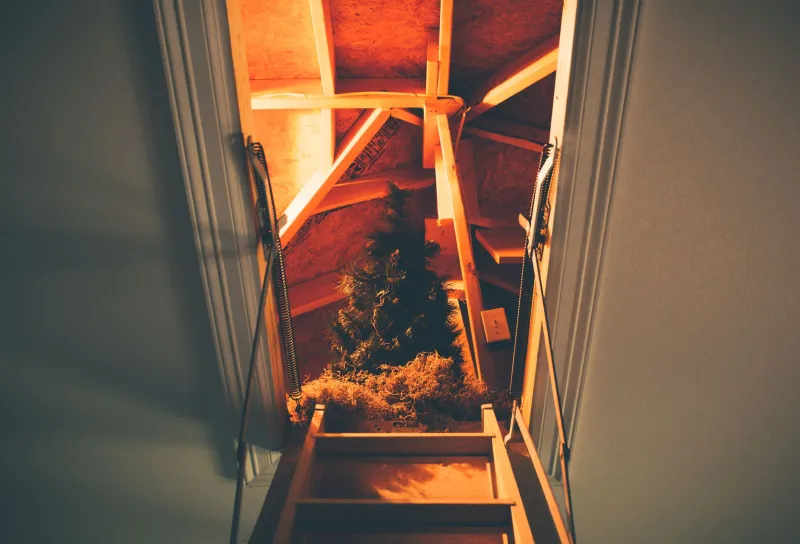
The Attic is almost always the biggest offender. Heat rises, and if your attic insulation is thin, compressed, or improperly installed, that heat is walking right out the top of your house in winter — and radiating back down in summer. The Department of Energy recommends R-38 to R-60 for attics in most US climate zones. If you can see your attic floor joists clearly through the insulation, you almost certainly don't have enough.
Exterior Walls are trickier to assess without professional tools, but older homes built before the 1980s often have little to no wall insulation. You can do a rough check by removing an outlet cover on an exterior wall (with the breaker off) and using a flashlight to look inside the gap around the electrical box. If you see bare wood and nothing else, that wall cavity is empty.
Crawl Spaces and Basements are frequently overlooked entirely. Uninsulated floors above a crawl space or an uninsulated basement ceiling can account for a significant chunk of your home's total heat loss. Cold floors in winter? That's often crawl space air moving up through the subfloor.
Rim Joists — the framing that sits on top of your foundation walls — are notorious air leakage points that even experienced contractors sometimes skip. Sealing and insulating these can have an outsized impact relative to the small area involved.
DIY Ways to Diagnose the Problem (No Energy Auditor Required)
A professional energy audit is genuinely useful, but it costs money and requires scheduling. Before you go that route, there are a few things you can do yourself to get a clearer picture.
The Flashlight and Hand Test: On a cold, windy day, move slowly around the interior perimeter of your home with your hand near baseboards, window frames, electrical outlets, and where walls meet the ceiling. Any place you feel a noticeable draft is an air leakage point — and air leakage and insulation gaps tend to travel together.
Check Your Energy Bills Year Over Year: Most utility companies let you view your usage history online. If your consumption has been creeping up without a major lifestyle change, that's a signal worth investigating. Compare your home's energy use per square foot against regional averages — your utility company may even provide this comparison directly.
Look at Your Roof After a Snowfall: This one is surprisingly telling. If snow melts unevenly on your roof — clearing quickly over certain sections while staying put on others — that's a sign of uneven heat loss from the attic below. It's also a warning sign for ice dams, which can cause serious water damage.
Infrared Thermometer Sweep: A basic infrared thermometer (available at most hardware stores for under $30) lets you check surface temperatures across walls and ceilings. Significant cold spots on interior surfaces during winter are a reliable indicator of missing or inadequate insulation behind them.
Where to Spend Your Money First
If you've confirmed that insulation is the problem, the next question is where to start. Budget is always a factor, so here's a rough priority order based on return on investment.
Attic insulation and air sealing consistently delivers the highest ROI of any insulation upgrade. Adding blown-in cellulose or fiberglass to an under-insulated attic is relatively affordable — often $1,500 to $3,500 for a typical home — and the payback period through energy savings is usually five to seven years. In hot southern climates, radiant barriers in the attic can add another layer of protection.
Crawl space encapsulation is the right move in humid climates like the Southeast, where moisture control is just as important as thermal performance. A properly encapsulated crawl space also protects against mold and wood rot, which adds structural value beyond just energy savings.
Rim joist insulation is a weekend DIY project for anyone comfortable working in a basement. Rigid foam board cut to fit and sealed with spray foam is an effective approach, and the materials cost is minimal compared to the impact.
Wall insulation retrofits are the most expensive and disruptive option, typically involving blown-in insulation through small holes drilled in the exterior siding or drywall. It's usually not the first place to spend money, but in older homes with zero wall insulation, it can make a dramatic difference in both comfort and energy costs.
A Note on Climate Zone and R-Values
The US is divided into climate zones by the Department of Energy, ranging from Zone 1 (South Florida, Hawaii) to Zone 7 (northern Minnesota, Alaska). The recommended R-values for attics, walls, and floors vary significantly by zone. A home in Phoenix has very different insulation needs than one in Minneapolis — both in terms of how much insulation is needed and which type performs best. Before buying materials or hiring a contractor, look up your climate zone and the current DOE recommendations for your region. It takes five minutes and could save you from under-investing or over-spending.
The Bottom Line
Poor insulation doesn't make noise. It doesn't leak visibly or trip a breaker. It just quietly drives up your bills, makes your home harder to keep comfortable, and shortens the life of your HVAC equipment by making it work harder than it should. For most homes, especially those built before 1990, there's almost always money being lost somewhere in the thermal envelope.
The good news is that fixing it is one of the most financially sound home improvement decisions you can make. Start with a self-assessment, identify your biggest weak spots, and tackle them in order of impact. Your future utility bills — and your HVAC system — will thank you.